
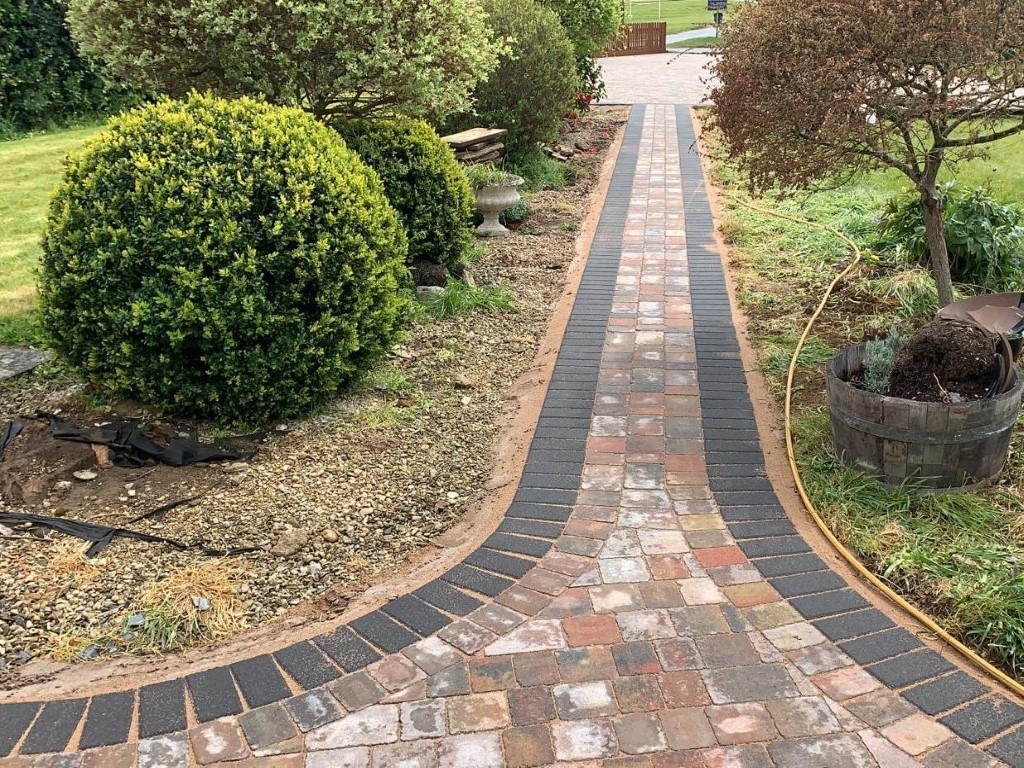
Block paving driveways require regular re-sanding to maintain their structural integrity and appearance. The sand between joints keeps blocks stable and prevents weeds from taking root.
Brighton’s coastal climate means sand gets washed away more frequently than in inland areas. Salt air and regular rainfall accelerate this process, making annual re-sanding essential for most properties.
When Your Driveway Needs Re-sanding
Several clear signs indicate your block paving needs fresh sand, though professional assessment ensures accuracy:
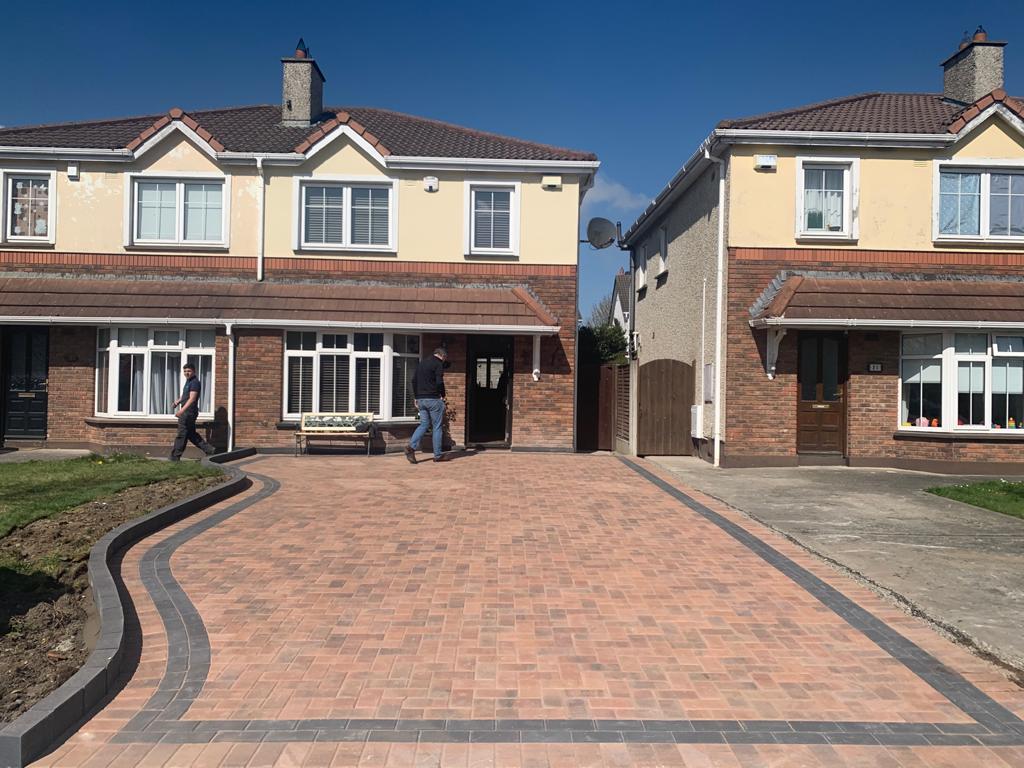
- Visible gaps between blocks where sand has disappeared
- Blocks moving or rocking when walked on
- Weeds growing between joints
- Surface appearing uneven or loose
- Water pooling instead of draining through joints
Choosing the Right Sand
Kiln-dried sand works best for block paving joints. This fine-grained sand compacts well and resists being washed away by rain.
Building sand or sharp sand are unsuitable because they contain moisture and don’t achieve proper compaction. Silver sand can work but costs more than kiln-dried alternatives.
The Re-sanding Process
Start by cleaning the driveway thoroughly with a stiff brush to remove debris and moss. Pressure washing helps but allow surfaces to dry completely before applying new sand.
Spread sand generally across the surface, then use a soft brush to work it into joints. Brush diagonally across blocks rather than along joint lines.
Compact the sand by walking over the surface or using a plate compactor for larger areas. Add more sand to any joints that settle below the block surface level.
Maintenance After Re-sanding
Avoid washing the driveway for at least two weeks after re-sanding. This allows the sand to settle and bond properly within the joints.
Regular brushing every few months helps maintain sand levels and prevents weed establishment. Proper edging helps contain the sand and top up individual joints as needed rather than waiting for complete deterioration.